Quietly Orchestrated
The Hotel Already Knew
Most travelers believe five-star service is a matter of thread count and marble. In our experience, it is almost always a matter of memory.
Updated October 20, 2026
Dispatch No. 02 · Observations from the world of luxury travel
There is a particular kind of moment that happens within the first ten minutes of arriving at a truly well-run hotel — before a bag has been unpacked, before a single request has been made. It is the moment a guest realizes the hotel already knows who has arrived. We have watched this moment unfold on two continents this year, at two Four Seasons properties, with the same young child in tow. The details differed. The discipline behind them did not.
A Step Stool No One Asked For
At Four Seasons Milan, a family traveling with a young child arrived to find a small step stool already positioned beside the bathroom sink — sized perfectly for little hands to reach the counter unassisted. Beside it sat children’s bath amenities, miniature slippers, and a robe folded with precisely the same care given to the adult ones. None of it had been requested. None of it had been improvised.
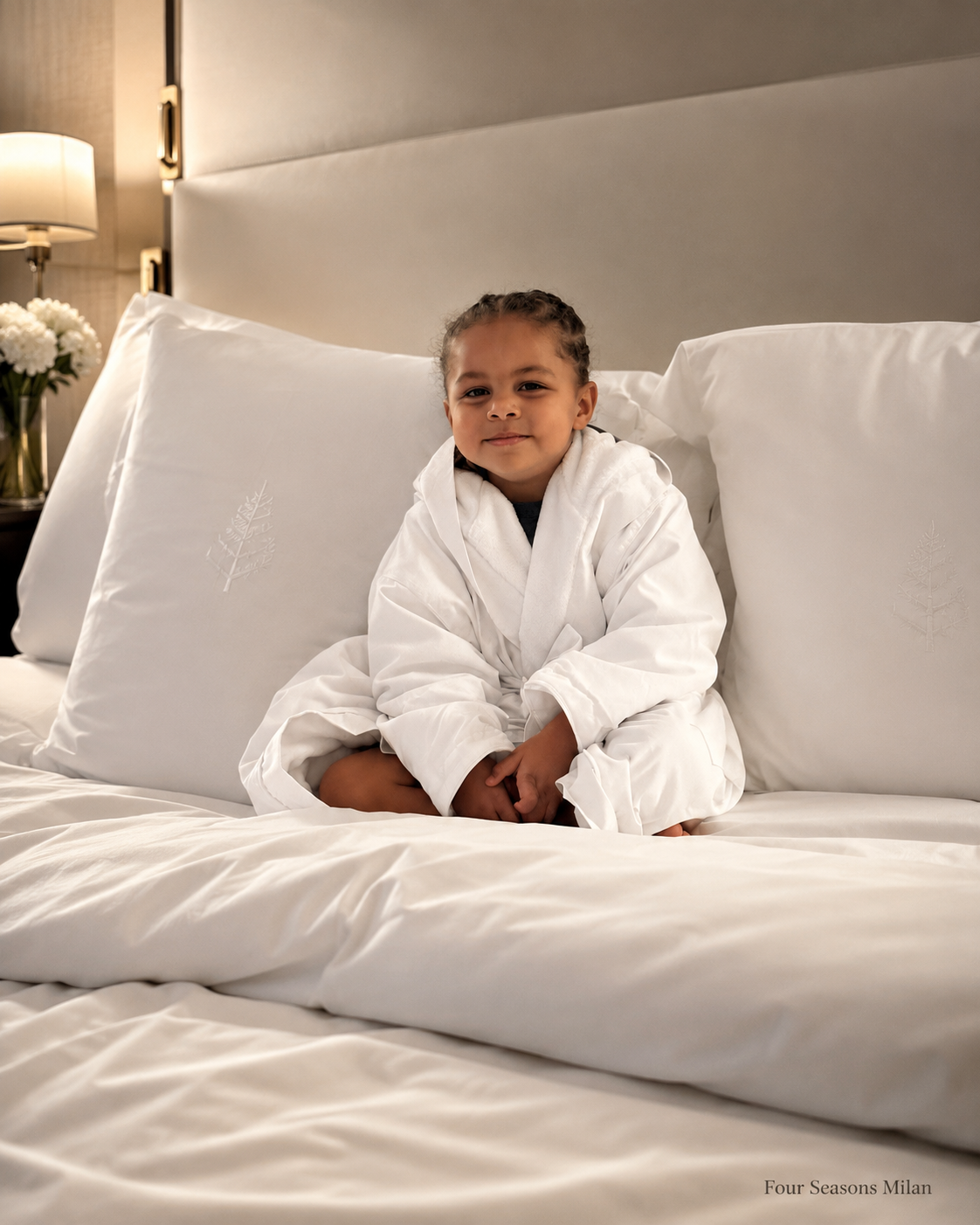
Somewhere upstream of arrival, a note in a reservation profile — traveling with a young child — had been read by someone who understood exactly what that sentence should become inside a bathroom on the other side of an ocean. This is the part of luxury hospitality that rarely receives attention. It is not the amenity itself that impresses. It is the evidence of translation.
The fact that a piece of information, quietly communicated before arrival, became a physical object waiting in exactly the right place, at exactly the right height, before anyone had to ask.
Your Usual Almond Milk Latte with a Side of Honey?
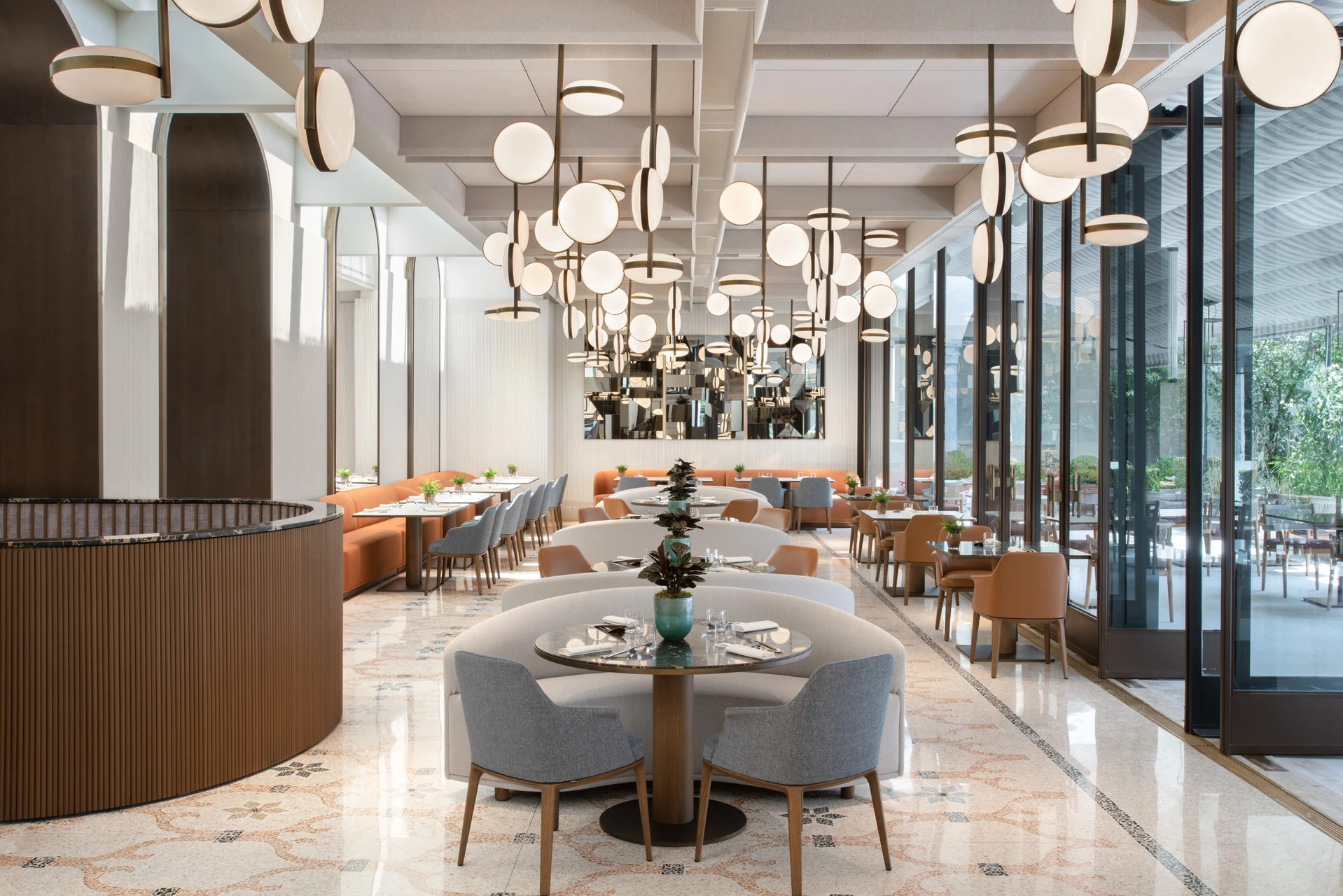
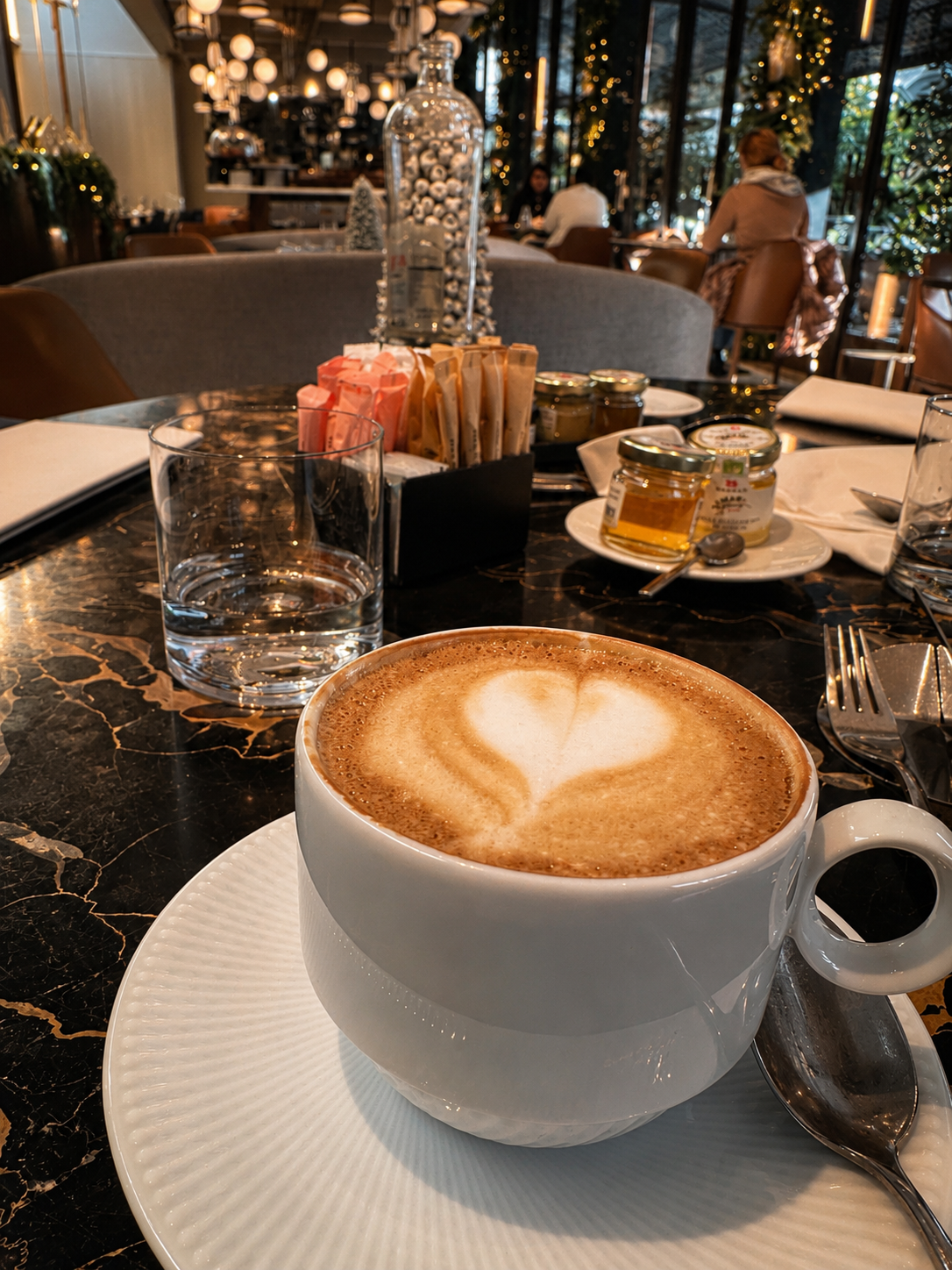
At Four Seasons Milan, the same philosophy appeared in the rhythm of the days themselves. Each morning, a server approached with a smile. “Your usual almond milk latte with honey?” The order never had to be repeated.
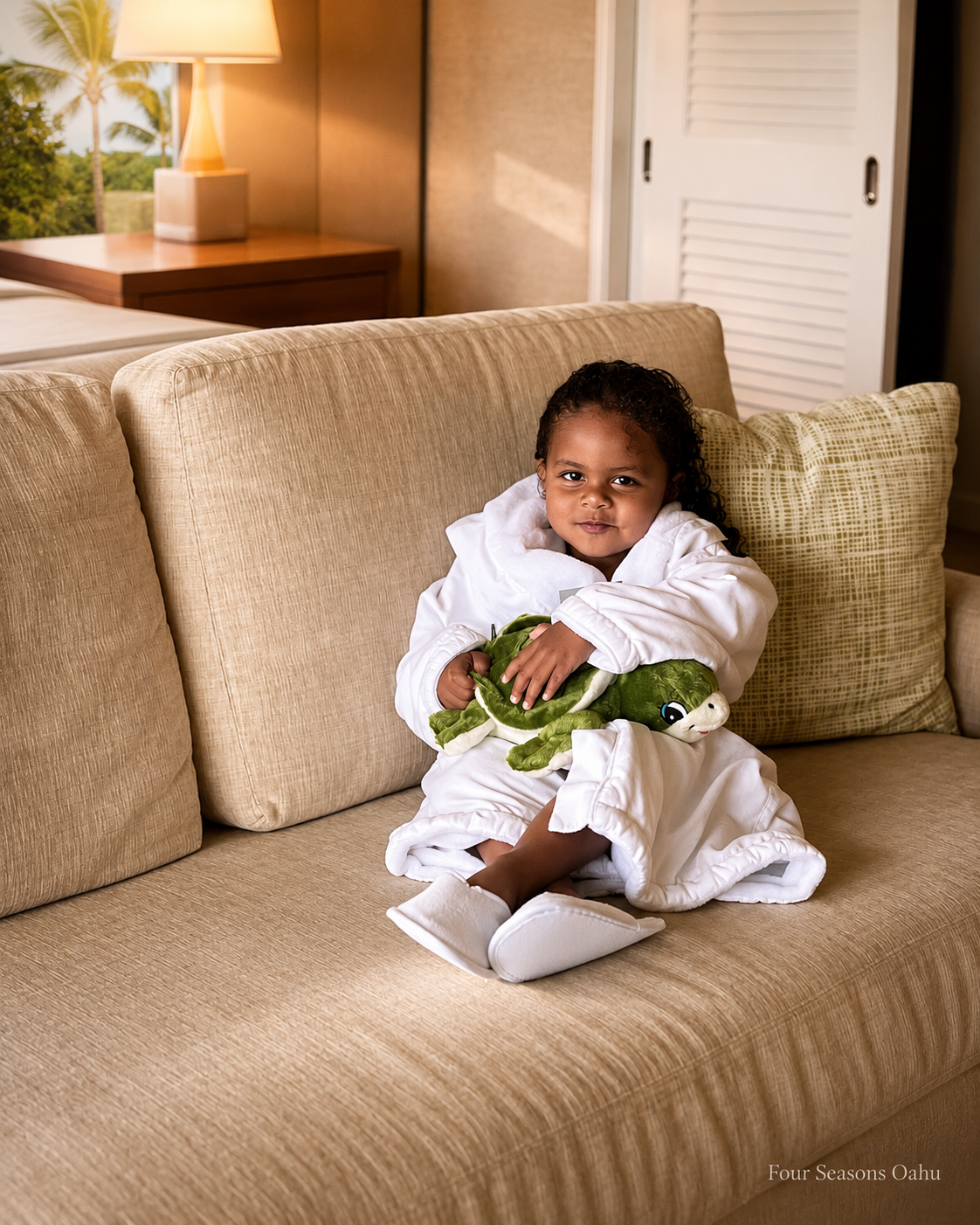
At Four Seasons Resort Oahu at Ko Olina, that attentiveness became even more deliberate with the youngest guest. Rather than automatically delivering the previous day’s order, the staff asked him directly: “Would you like your usual PB&J today, or would you like to try something new?” He chose the familiar every afternoon. Not because children resist change. Because someone had made him feel like a guest in his own right rather than an extension of his mother’s reservation.

Later, beside the koi pond near the lobby, the same attentiveness appeared without a single word being exchanged. A member of the team had noticed him standing quietly, completely absorbed by the fish. Within moments, someone appeared carrying a small cup of feed. No request. No signal. Just observation. It was not scripted hospitality. It was observational hospitality — the quiet discipline of noticing before being asked.

It is not the amenity itself that impresses. It is the evidence that a piece of information, quietly shared before arrival, became a physical expression of care waiting exactly where it belonged.
What Anticipation Actually Requires
It is tempting to describe experiences like these as instinct. Or to simply say a hotel is “excellent.” In our experience, that is only part of the explanation. The finest hotels in the world are extraordinarily skilled at delivering thoughtful service. Their ability to do so, however, is only as strong as the information they receive before a guest ever walks through the door. Anticipation requires information. Information requires communication.
- The hotel already knows the arrival time, so there is no unnecessary wait at reception.
- The hotel already knows the preferred room location — the higher floor, the extra pillow, the quiet room away from the elevators.
- The hotel already knows a celebration is taking place and prepares a thoughtful gesture before the guest arrives.
- The hotel already knows a child is traveling and has a step stool, crib, or nightlight waiting without anyone needing to explain.
- The hotel already knows the family is arriving after a long-haul journey and greets them with calm efficiency instead of unnecessary conversation.
- The hotel already knows to have the preferred latte waiting, the familiar sandwich remembered, and the rhythm of the morning preserved without needing to ask twice.
None of this happens by accident. It happens because someone, long before check-in, took the time to communicate who was arriving.
The Part That Stays Invisible
This is the part of luxury travel a guest is never meant to see. The profile was built quietly in advance. The preferences are carefully flagged. The small pieces of human context:
Fascinated by koi ponds. Prefers almond milk. Prefers a choice over an assumption.
Tiny observations that become remarkably meaningful when they arrive at exactly the right moment. A booking engine does not communicate these things. An online reservation made at 11:00 PM does not communicate them either. They exist because someone who understands both the traveler and the property took the time to build the bridge between them.
Someone who knows what that particular hotel can do. Someone who knows which details matter. Someone who knows that extraordinary hospitality begins days — sometimes weeks — before a guest ever reaches the front drive. That is the quiet value of a luxury travel advisor. Not the reservation itself. Almost anyone can make a reservation.
The craft lies in everything that happens before arrival. The details were communicated. The preferences remembered. The human context shared. So that a child is asked about his sandwich instead of simply being served one. So that a family feels recognized rather than accommodated. So that a stay feels less like checking into a hotel — and more like returning somewhere that was expecting you all along.
The hotel did not guess. Someone told them. That is the difference between a reservation and a journey.
End of Dispatch
Filed by Inspo Travel
About the Series
Quietly Orchestrated is the editorial publication of Inspo Travel. Written for principals, family offices, entertainers, athletes, executives, and the trusted advisors who support them, each dispatch explores the judgment, preparation, and invisible craftsmanship that transform travel from a reservation into an experience. We publish irregularly — and only when we have something worth saying.
End of Dispatch
Filed by Mina Shafiee for Inspo Travel · August 1, 2026
About the Series
Quietly Orchestrated is the editorial voice of Inspo Travel.
Written for principals, family offices, entertainers, athletes and executives, and for the small circle of advisors who serve them, each essay examines the mechanics, judgment and craft that separate a good journey from an unforgettable one. We publish irregularly, and only when we have something worth saying.
Next in the Series

No. 01 · On Aviation